
TERRY REID - The Voice and Memory of Rock
published in Rolling Stone Magazine (France)
Terry - song for Terry Reid - out now >> Listen
Interview by Guillaume Simon (Indolore) - Version française en bas de page
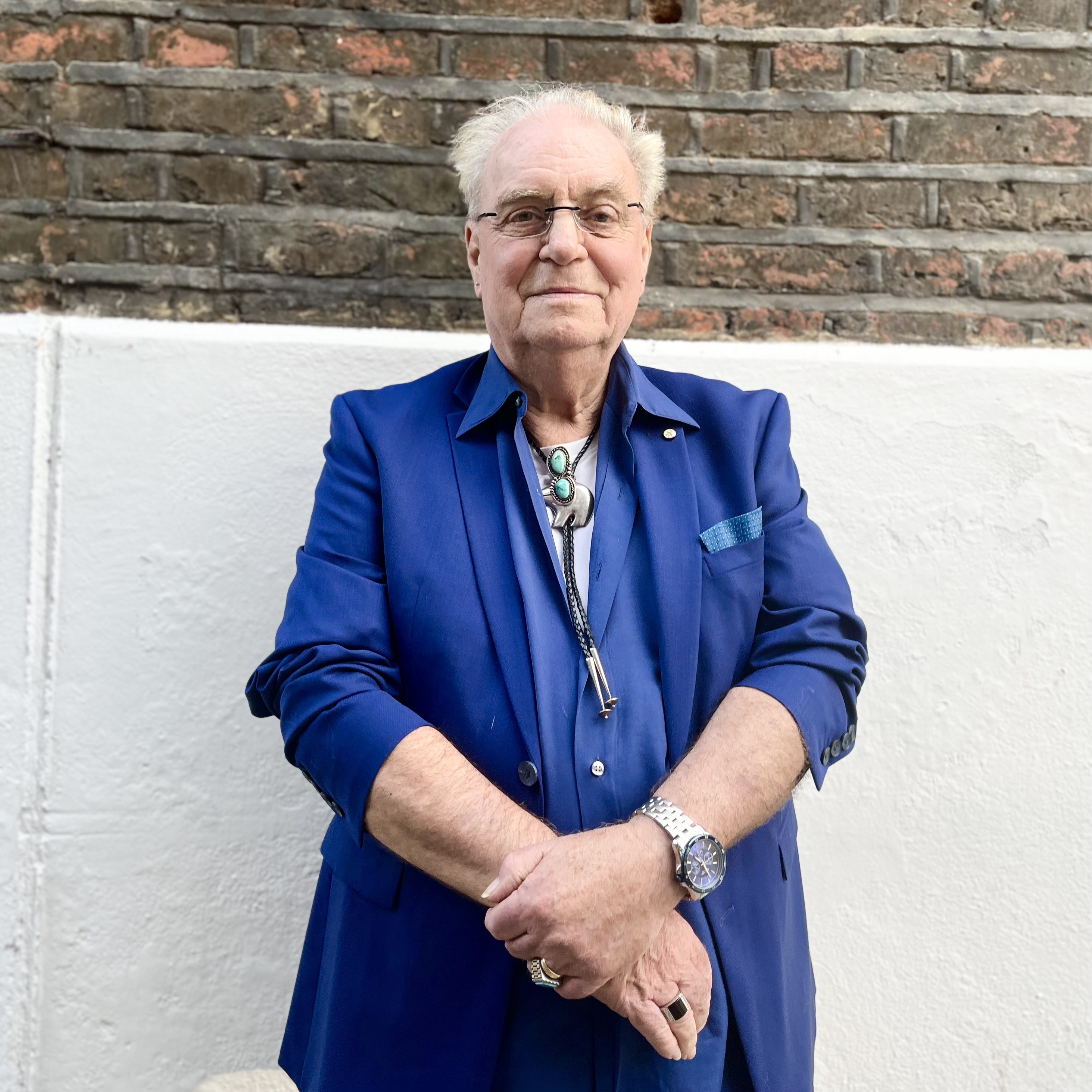
On the occasion of a new tour on his home soil, the British rocker, with a heart full to the brim, reflects on his legendary journey, punctuated by major records, mythical concerts, and thousands of stories to sip on the rocks.
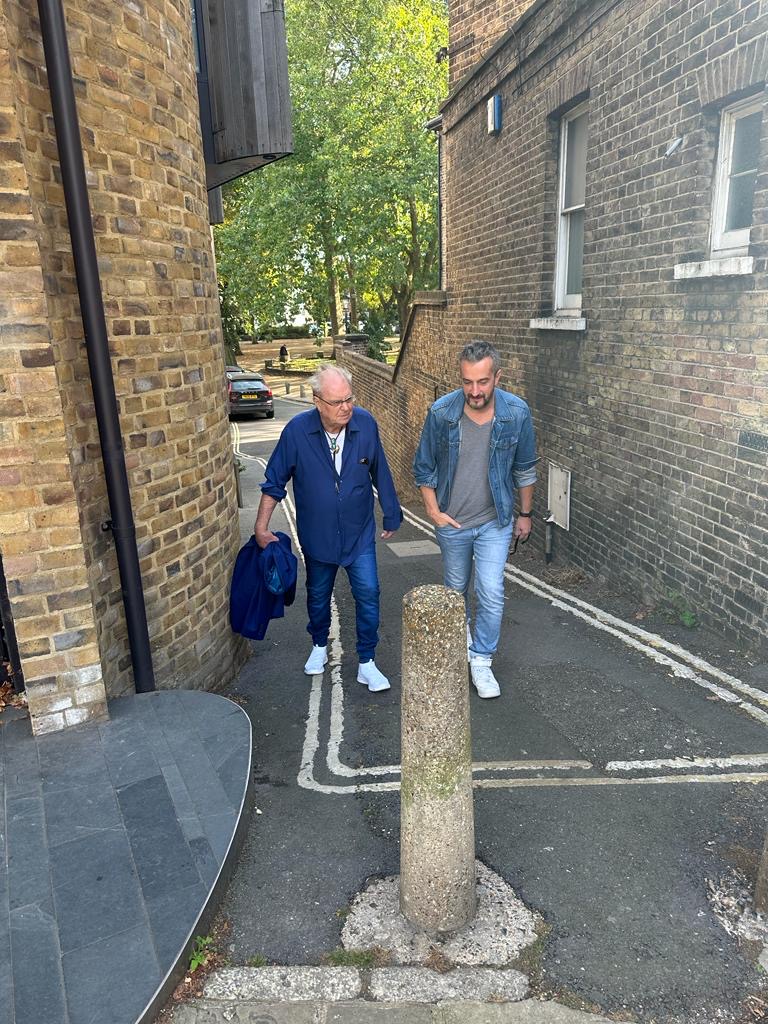
Highgate, London. Sunny sunday, October 8th, 2023. I have an appointment with a legend, who became a friend since that spring of 2009 when, after a lightning bolt of inspiration and a mad project, we found ourselves in a basement of Ménilmontant (in Paris) to record three tracks inspired by his genius. That day, the earth shook and the great book of Rock opened before our eyes. Fourteen years later, I am walking to meet him again, this time to interview him in the midst of his tour, intending to let the voice and memory of the great music of the '60s and '70s speak. I have an appointment with Terry Reid.
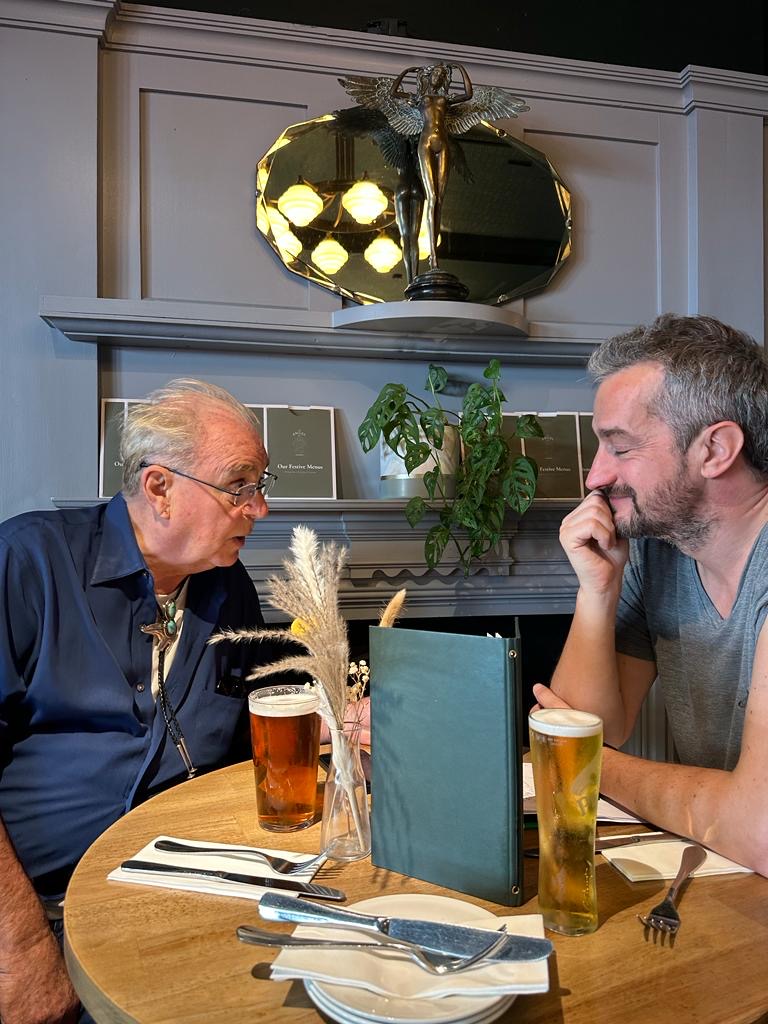
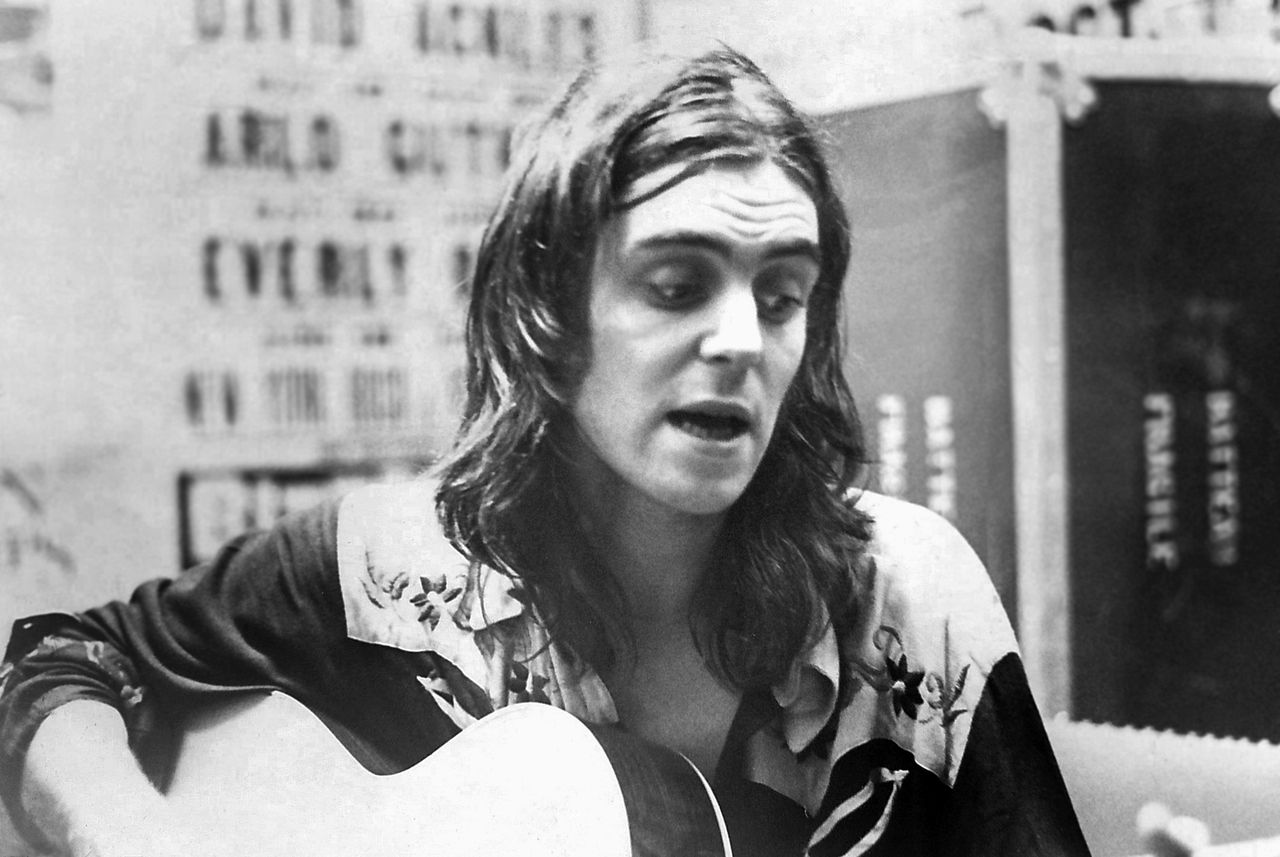
"There are only three things happening in England right now: The Beatles, The Rolling Stones, and Terry Reid." This is what Aretha Franklin said in 1968. Terry Reid was only 18 years old then! After a notable start with The Jaywalkers, he formed his own power trio with Peter Solley on organ and Keith Webb on drums. His voice, as powerful as it is moving, soared to great heights on "Rich Kid Blues," and his songwriting touched the heart. He was already unique. They nicknamed him "Superlungs." The biggest names were vying for him. Cream and then the Stones took him as the opening act on their USA tours in the late '60s. From this first American adventure, a deep friendship, if not a bromance, with Keith Richards was born. Some of their nocturnal escapades are indeed to be carved on the tablets of rock excess. But Terry Reid is above all a gigantic voice, a personal vision, and an unparalleled artistic and human sensitivity. He was knighted very young to become the star of the stars, but above all their accomplice, their reference. On this Indian summer day in London, after two pints of lager, he tells me about his Jimi Hendrix. Another icon he was very close to. One night, with his trio at the Revolution Club, a mythical place in Mayfair, Jimi shows up at the edge of the stage and with his barely restrained voice asks him: "Hey man, can I play bass with you?" A kind of strange electric bass he had taken a fancy to, just for fun. Terry obviously invites him to join the band. He has no memory of the song, he tells me, but perfectly remembers the rocket launch effect that blew the audience away at that moment. Jimi on the bass sounding like Hendrix, Terry's voice sounding like no one else. We would have loved to be there.
Just as we would have loved to attend the very first edition of the Glastonbury Festival (Glastonbury Fayre) that Terry Reid opened in 1971 with Alan White on drums, sticks in hand, giant joint on lips. Terry recalls: "No one really knew where it was happening, we drove quite a way from Cambridge, from one remote place to another until we came across a topless girl wriggling on the roadside. That's when we knew we were close." The stage was already pyramidal but not exactly of pharaonic stability. Throughout the set, Terry thought he was so "high" that he felt the stage lift with every bass drum beat. Their set was crazy, it's true (part of it is available on YouTube), but this magical levitation actually came from the quasi-transcendental agitation of the spectators perched (in every sense) on the structure. Glastonbury was born. David Bowie, who was also there, recounted in an interview years later that he hung out a lot and talked with Terry Reid throughout this epic and historic first edition.
Speaking of history, Terry has always been both a witness and an actor. It's the middle of August 1969, in the heart of Manhattan, at the top floor of the Pan Am building. Two artists are waiting to be flown to a site then unknown to the public: White Lake, in New York State. The artists in question: Joni Mitchell and Terry Reid. The event that programmed them and awaits them: Woodstock. The road is impassable, the crowds have invaded it. The only way to reach the site is to board one of the helicopters shuttling for several hours. The excitement is total. The festival is already being broadcast live on television. Joni and Terry chat in front of the TV when they learn that the pilots have suddenly gone on strike, over money issues. No more aircraft will take off from the Pan Am roof. Neither Terry nor Joni will see Woodstock. The tears that rolled down Joni's cheeks that night turned into a song, an anthem for an entire generation: "Woodstock."
But Terry Reid would mark other major events with his presence, such as the Miami Pop Festival and, of course, the Isle of Wight Festival in 1970, in front of hundreds of thousands of people hypnotised by his performance. His discography includes albums that have become cult, such as "River," on Atlantic Records, which celebrates its fiftieth anniversary this year, and "Seed of Memory" in 1976, produced by his friend Graham Nash. Some tracks from this album, with its striking and polished sound, have deeply resonated. For proof, look at Damon Albarn's illuminated face listening to Terry Reid singing "To Be Treated Rite," alone with his Gibson, on the set of "Later... with Jools Holland" in 2018. For all those who have known or discovered him, there is a before and after Terry Reid.
His influence did not stop with the closure of the '70s. Literally climbing the slope leading us to the Angel Inn, the interview location, in the midst of the residential area of English entertainment stars, Terry remembers George Michael. He tells me he found himself, a bit by surprise, in the studio with George and Trevor Horn in the mid-'80s. The Wham! frontman was launching his solo career. Stuck on a track for several weeks, George Michael called Terry to help (re)find the right direction. He had complete trust in him, as so many others did. And it worked. Superlungs has always travelled easily between styles, his virtuosity allows him all the daring, and he doesn't hold back, to the delight of our speakers.
Speaking of delight, let's descend into the depths of Swinging London for a new anecdote signed Terry Reid: always with his magical trio, he often shared the stage with The Who, known as much for their impactful music as for their rather destructive performances. One evening, a very young band shared the bill with them, tasked with kicking off the festivities. Excited and innocent, the drummer of this band proudly showed Terry his brand new equipment, a gift from his daddy, who was present that night. Animated by his natural kindness, Terry immediately warned him of the danger ahead and strongly advised him to dismantle his drum set right after their show, before Keith Moon's arrival. But the young naive musician did not heed his advice. Keith, impressed by the flashy, colourful drum set, asked the kid if he could borrow it for The Who's set. Naturally flattered, he agreed without hesitation. You can easily imagine the rest... A drum set reduced to rubble and a dismayed dad. If you care about your gear, listen to Uncle Terry.
From Abbey Road studios to the crowds of mythical festivals, Terry Reid has experienced it all, played it all, traversed it all, influenced it all. Here I am, sitting in front of him, drinking in his words as easily as the lagers we're downing. The next day, I will be the lucky musician opening his concert at the Half Moon, another legendary venue. I won't forget to fully live that moment, another lesson learned from Terry, to whom I ask this final question: "Terry, do you have any regrets?" Almost looking like he doesn't understand the question, he simply replies: "No, my friend. The most important thing I've learned in my life and career is that we only have the present, this now that we must live and cherish." I will never forget all these "nows" lived in the company of this immense singer and songwriter, the best, of this so erudite and incredibly endearing being.
Rock has a surname. And it's Reid. Terry Reid.
Terry Reid official website & spotify
(interview photos by Indolore & Annette Grady)
____________________________
Version française
TERRY REID - La voix et la mémoire du Rock
De Guillaume Simon (Indolore)
À l'occasion d'une nouvelle tournée sur sa terre natale, le rockeur britannique, le cœur gonflé à bloc, revient sur son parcours légendaire, ponctué de disques majeurs, de concerts mythiques et de milliers d'histoires à siroter on the rocks.
Highgate, Londres. Dimanche 8 octobre. J'ai rendez-vous avec une légende, devenu un ami depuis ce printemps 2009 où, au bout d'un coup de foudre, d'un projet dément, nous nous sommes retrouvés dans une cave de Ménilmontant pour enregistrer trois titres inspirés par son génie. Ce jour-là, le terre trembla et le grand livre du Rock s'ouvrait sous nos yeux. Quatorze ans plus tard, je marche à nouveau à sa rencontre, cette fois pour l'interviewer en pleine tournée, avec l'intention de faire parler la voix et la mémoire de la grande musique des années 60 et 70. J'ai rendez-vous avec Terry Reid.
"Il n'y a que trois trucs à voir en Angleterre en ce moment : les Beatles, les Rolling Stones, et Terry Reid" Voilà ce que disait Aretha Franklin en 1968. Terry Reid a alors seulement 18 ans ! Après un début remarqué avec The Jaywalkers, il monte son propre power trio avec Peter Solley à l'orgue et Keith Webb à la batterie. Sa voix aussi puissante qu'émouvante s'envole dans les hauteurs sur "Rich Kid Blues", son écriture touche au cœur. Il est déjà unique. On le surnomme "Superlungs". Les plus grands noms se l'arrachent. Cream, puis les Stones, l'embarquent en première partie de leurs tournées aux USA à la fin des années 60. De cette première aventure américaine naîtra une profonde amitié, pour ne pas dire une bromance, avec Keith Richards. Certaines de leurs virées nocturnes sont d'ailleurs à graver sur les tables de la loi de la démesure rock. Mais Terry Reid, c'est avant tout une voix gigantesque, une vision personnelle, une sensibilité artistique et humaine sans pareille. Il est adoubé très jeune jusqu'à devenir la star des stars, mais surtout leur complice, leur référence. En ce jour d'été indien londonien, après deux pintes de lager, il me raconte son Jimi Hendrix. Encore une icône dont il était très proche. Un soir de gig avec son trio au Revolution Club, lieu mythique de Mayfair, Jimi se pointe en bord de scène et de sa voix à peine retenue lui lance : "Hey man, je peux jouer de la basse avec toi ?" Un genre de basse électrique étrange dont il s'était entiché, comme ça, pour le fun. Terry l'invite évidemment à se joindre au groupe. Il n'a aucun souvenir du morceau me dit-il mais se rappelle parfaitement de l'effet décollage de fusée qui a soufflé la salle à ce moment-là. Jimi à la basse qui sonnait comme Hendrix, Terry à la voix qui ne chantait comme personne. On aurait tant aimé y être.
Comme on aurait tant aimé assister à la toute première édition du festival de Glastonbury (Glastonbury Fayre) que Terry Reid ouvre en 1971 avec Alan White derrière les fûts, baguettes en mains, pétard géant aux lèvres. Terry raconte : "Personne ne savait vraiment où ça se passait, on a roulé un bout de temps depuis Cambridge, de trou paumé en trou paumé, jusqu'au moment où on est tombé sur une nana topless qui se trémoussait sur le bas-côté. Là on a compris qu'on touchait au but." La scène y était déjà pyramidale mais pas vraiment d'une stabilité pharaonique. Pendant tout le set, Terry pensait qu'il était "high" au point de sentir la scène se soulever sur chaque beat de grosse caisse. Leur set était dingue c'est vrai (une partie est trouvable sur YouTube), mais cette lévitation magique provenait en réalité de l'agitation quasi-transcendantale des spectateurs perchés (à tout point de vue) sur la structure. Glastonbury était né. David Bowie, qui était aussi de la partie, raconta au cours d'une interview des années plus tard qu'il avait beaucoup traîné et discuté avec Terry Reid tout au long de cette première édition, décidément épique et historique.
À propos d'histoire, Terry en aura toujours été autant le témoin que l'acteur. On est au cœur du mois d'août 1969, en plein Manhattan, au dernier étage du Pan Am building. Deux artistes patientent avant d'être conduits par les airs jusqu'à un site alors inconnu du public : White Lake, dans l'état de New York. Les artistes en question : Joni Mitchell et Terry Reid. L'événement qui les a programmés et les attend : Woodstock. La route est impraticable, les foules l'ont envahie. Le seul moyen d'atteindre le site est de monter dans un de ces hélicoptères qui font la navette depuis plusieurs heures. L'excitation est totale. Le festival est déjà retransmis en direct à la télévision. Joni et Terry papotent devant le poste quand ils apprennent que les pilotes se sont soudainement mis en grève, une histoire de gros sous. Plus aucun appareil ne décollera du toit du Pan Am. Ni Terry, ni Joni ne verront Woodstock. Les larmes qui coulèrent sur les joues de Joni ce soir-là se changeront en chanson, en hymne de toute une génération : "Woodstock".
Mais Terry Reid marquera d'autres événements majeurs de son empreinte comme le Miami Pop festival et bien sûr celui de l'Île de Wight en 1970, devant des centaines de milliers de personnes hypnotisées par sa prestation. Sa carrière discographique donnera naissance à des albums devenus cultes comme "River", chez Atlantic Records, dont on fête le cinquantième anniversaire cette année, ainsi que "Seed of Memory" en 1976, produit par son ami Graham Nash. Certains titres issus de ce disque, au son fracassant et léché, ont profondément marqué. Pour preuve, le visage illuminé de Damon Albarn à l'écoute de Terry Reid chantant "To Be Treated Rite", seul avec sa Gibson, sur le plateau de "Later...with Jools Holland" en 2018. Pour tous ceux qui l'ont connu ou découvert, il y a un avant et un après Terry Reid.
Son influence ne s'est pas arrêtée au bouclage des années 70. En remontant littéralement la pente qui nous conduit au Angel Inn, lieu de l'interview, en plein quartier résidentiel des stars de l'entertainment anglais, Terry se souvient de George Michael. Il me confie qu'il s'est retrouvé, un peu par surprise, en studio avec George et Trevor Horn au milieu des années 80. Le chanteur-leader de Wham! attaquait alors sa carrière solo. Bloqué sur un titre depuis plusieurs semaines, George Michael appela Terry pour l'aider à (re)trouver la bonne direction. Il lui faisait une confiance totale, comme tant d'autres. Et ça a marché. Superlungs a toujours voyagé aisément entre les styles, sa virtuosité lui permet toutes les audaces, et il ne s'en prive pas, pour le plus grand bonheur de nos speakers.
En parlant de bonheur, redescendons dans les entrailles du Swinging London le temps d'une nouvelle anecdote signée Terry Reid : toujours avec son trio magique, il lui est arrivé plus d'une fois de partager la scène avec The Who, réputés tout autant pour leur musique percutante que pour leurs performances scèniques pour le moins destructrices. Un soir, un tout jeune groupe partage l'affiche avec eux avec pour mission de démarrer les festivités. Excité et innocent, le batteur de ce dernier présente à Terry son nouvel équipement flambant neuf, offert par son daddy, présent dans la salle ce soir-là. Animé par sa gentillesse naturelle, Terry l'avertit aussi sec du danger qui l'attend, et l'invite fortement à démonter sa batterie illico après leur show, ceci avant l'arrivée de... Keith Moon. Mais le jeune musicien bien naîf ne suivit pas son conseil. Keith, épaté par sa batterie clinquante et colorée, demanda au gamin s'il pouvait l'emprunter le temps du set des Who. Forcément ému et on ne peut plus flatté, celui-ci acquiesça sans hésiter. Vous n'aurez aucun mal à imaginer la suite...Une batterie réduite en miettes et un papa dépité. Si tu tiens à ton matos, écoute tonton Terry.
Des studios d'Abbey Road aux foules des festivals mythiques, Terry Reid a tout connu, tout joué, tout traversé, tout influencé. Me voilà en face de lui, buvant ses paroles aussi facilement que les lagers qu'on s'enfile. Le lendemain, je serai ce musicien chanceux qui ouvrira son concert au Half Moon, autre lieu de légende. Je n'oublierai pas de vivre pleinement ce moment, autre leçon apprise de Terry à qui je pose cette dernière question : "Terry, as-tu ne serait-ce qu'un seul regret ?". Ayant presque l'air de ne pas comprendre la question, il me répond simplement : "Non mon ami. La chose la plus importante que j'ai apprise au cours de ma vie et de ma carrière, c'est que nous n'avons que le présent, que ce maintenant qu'il nous faut vivre et chérir." Je n'oublierai jamais tous ces "maintenant" vécus en compagnie de cet immense chanteur et songwriter, le meilleur, de cet être si érudit et bougrement attachant.
Le Rock a un nom de famille. Il s'appelle Reid, Terry Reid.